For Outdoor & Wet-Location LED Strip Lighting
When specifying LED strip lighting for outdoor or wet environments, one of the most critical technical considerations is the IP rating. Whether you are installing lighting in a bathroom, garden, commercial exterior, or industrial setting, choosing the correct IP-rated LED strip is essential for safety, durability, and compliance.
This guide is written for professionals who need a clear, technically accurate understanding of IP ratings, how they apply to LED strip lighting, and how to select the right solution for each environment.
What is an IP Rating?
An IP rating, or Ingress Protection rating, is an internationally recognised standard defined by International Electrotechnical Commission under IEC 60529.
It classifies the degree of protection provided by an enclosure against:
- Solid objects (such as dust)
- Liquids (such as water)
The rating is expressed as IP followed by two digits, for example IP65, IP67, or IP68.
Understanding the IP Code Structure
Each digit has a specific meaning:
First digit (0–6): Protection against solids
- 0: No protection
- 1–4: Protection against larger particles
- 5: Dust protected (limited ingress allowed)
- 6: Dust tight (complete protection)
Second digit (0–9): Protection against water
- 0: No protection
- 1–4: Protection against drips and splashes
- 5: Protection against water jets
- 6: Protection against powerful jets
- 7: Protection against temporary immersion
- 8: Protection against continuous immersion
- 9: Protection against high-pressure, high-temperature jets
For LED strip lighting, the second digit is often the most critical in outdoor and wet applications.
Why IP Ratings Matter for LED Strip Lighting
Unlike enclosed luminaires, LED strip lighting is often installed in exposed or semi-exposed environments. This makes it particularly vulnerable to:
- Moisture ingress
- Condensation
- Dust contamination
- Mechanical damage
Incorrect IP selection can lead to:
- Premature failure
- Corrosion of PCB tracks
- Electrical faults
- Safety hazards
For professional installations, selecting the correct IP rating is not optional—it is fundamental to system reliability.
Common IP Ratings for LED Strip Lighting
IP20 – Indoor, Dry Environments
IP20 LED strip has no protection against water and minimal protection against solids. It is typically used in:
- Living rooms
- Offices
- Display cabinets
This type of strip is not suitable for any environment where moisture is present.
IP65 – Splash-Resistant
IP65 LED strip is coated with a silicone or epoxy layer, providing protection against water jets and splashes.
Typical applications include:
- Kitchens (away from direct water exposure)
- Bathrooms (outside zones)
- Sheltered outdoor areas
However, IP65 is not suitable for areas with standing water or prolonged exposure to moisture.
IP67 – Waterproof (Temporary Immersion)
IP67 LED strip is fully enclosed, often within a silicone sleeve or extrusion, providing protection against temporary immersion.
Common uses:
- Outdoor installations exposed to rain
- Garden lighting
- External architectural features
This is one of the most widely specified ratings for outdoor LED strip lighting.
IP68 – Submersible Applications
IP68 LED strip is designed for continuous immersion in water, provided installation guidelines are followed.
Applications include:
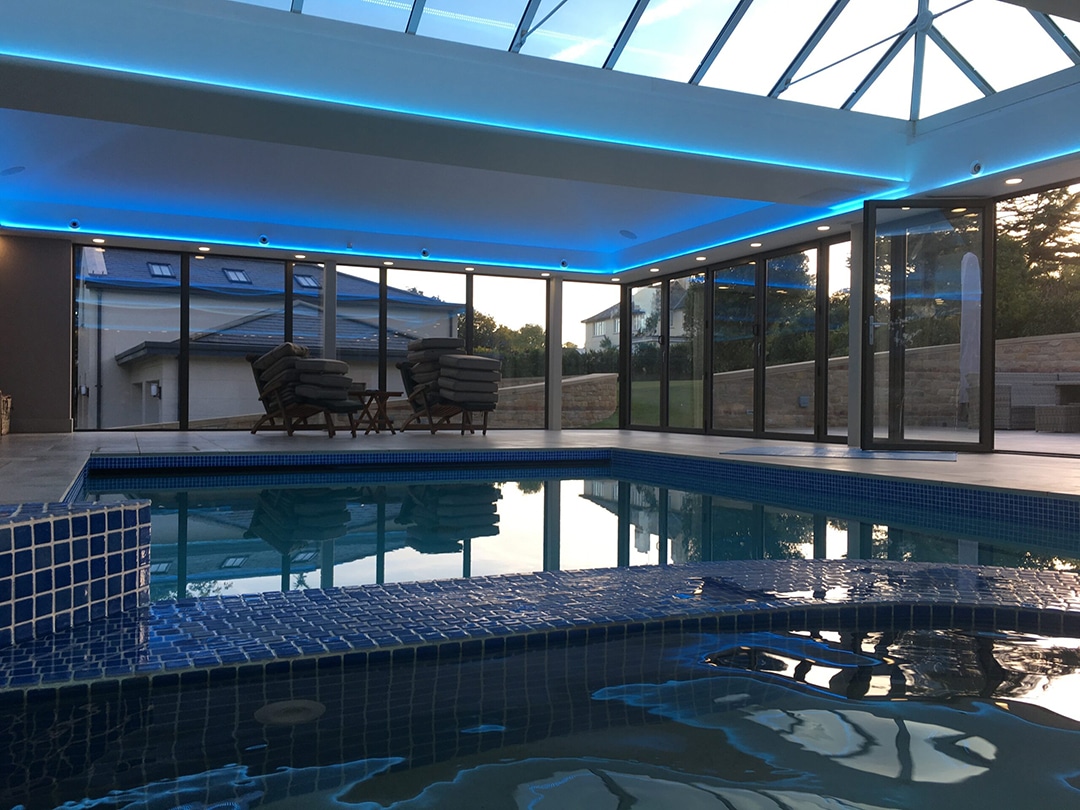
- Swimming pools
- Water features
- Ponds
It is important to note that IP68 performance depends heavily on correct installation, particularly sealing of connections.
Understanding Real-World Limitations
While IP ratings provide a standardised benchmark, real-world performance depends on several additional factors.
End Caps and Connections
The IP rating of LED strip is only valid if:
- End caps are properly sealed
- Connectors maintain the same level of protection
- Cable entry points are waterproof
A common failure point is poor termination, not the strip itself.
Installation Method
Even IP67 or IP68 strips can fail if:
- Installed in areas with standing water but inadequate drainage
- Subject to mechanical stress
- Installed without appropriate mounting profiles
UV Exposure
Outdoor installations must also consider UV stability. Lower-quality silicone coatings can degrade over time, leading to cracking and water ingress.
Heat Dissipation
Encapsulation used to achieve higher IP ratings can reduce heat dissipation. This makes thermal management critical, particularly for high-output LED strips.
IP Ratings and Bathroom Zones (UK Specific)
In the UK, bathroom installations must comply with BS 7671 (IET Wiring Regulations), which define zones based on proximity to water.
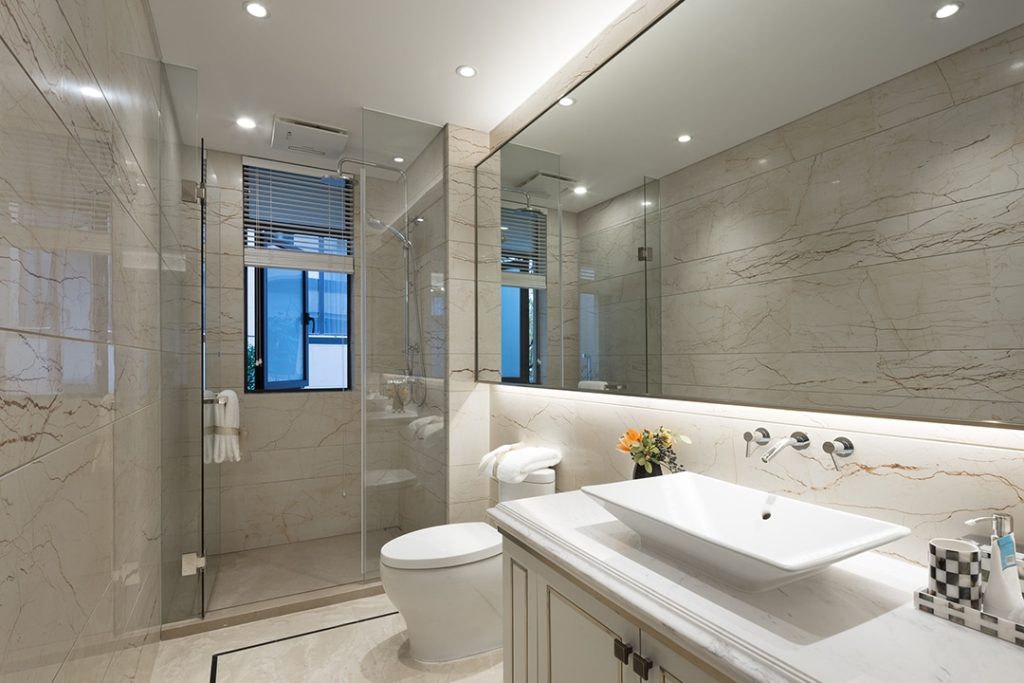
Zone 0 (Inside Bath or Shower)
- Minimum requirement: IP67
- Only low-voltage systems permitted
Zone 1 (Above Bath or Shower)
- Minimum requirement: IP65
Zone 2 (Surrounding Area)
- Typically IP44 minimum, though higher ratings are recommended
For LED strip lighting, IP65 or IP67 is commonly specified depending on the exact location.
Choosing the Right IP Rating for Outdoor Applications
Selecting the correct IP rating depends on the environment and exposure level.
Garden Lighting
- Recommended: IP67
- Reason: Exposure to rain, soil moisture, and temperature variation
External Building Features
- Recommended: IP65 or IP67
- Consideration: Height, exposure to wind-driven rain
Decking and Ground Installations
- Recommended: IP67 minimum
- Additional requirement: Robust housing or extrusion
Water Features
- Recommended: IP68
- Critical factor: Fully sealed system including connectors
The Role of LED Profiles and Extrusions
Using aluminium profiles or extrusions can enhance both protection and performance.
Benefits include:
- Improved heat dissipation
- Mechanical protection
- Additional sealing options
- Professional finish
For outdoor installations, profiles with diffusers and gaskets can significantly improve longevity.
Voltage Considerations in Wet Environments
In wet or outdoor locations, voltage selection is also critical.
12V vs 24V LED Strip
- 12V: Suitable for smaller runs, slightly safer in certain conditions
- 24V: Preferred for longer runs due to reduced voltage drop
In wet environments, SELV (Separated Extra Low Voltage) systems are strongly recommended for safety.
Common Mistakes When Specifying IP-Rated LED Strip
Even experienced installers can encounter issues if key details are overlooked.
- Selecting IP65 for fully exposed outdoor installations
- Failing to seal connections properly
- Ignoring UV degradation
- Not allowing for drainage in outdoor channels
- Overlooking thermal management
Each of these can lead to premature failure, even when the IP rating appears correct on paper.
Maintenance and Longevity
IP-rated LED strip lighting is not entirely maintenance-free.
Best practices include:
- Periodic inspection of seals and connections
- Checking for signs of water ingress
- Ensuring drainage paths remain clear
- Replacing degraded silicone or seals where necessary
High-quality products will significantly reduce maintenance requirements.
Testing and Certification
When sourcing LED strip lighting, it is important to verify:
- Genuine IP test certification
- Compliance with IEC 60529
- Manufacturer test data
Not all products on the market meet their claimed IP ratings, particularly lower-cost imports.
Future Trends in Waterproof LED Strip Lighting
Advancements in LED technology are improving both performance and durability in wet environments.
Emerging developments include:
- Integrated waterproof connectors
- Higher efficiency LEDs reducing heat output
- Smarter control integration for outdoor systems
These innovations are making outdoor LED strip lighting more reliable and easier to install.
Understanding IP ratings is essential for anyone specifying or installing LED strip lighting in outdoor or wet environments. It is not simply about choosing a higher number—it is about selecting the right level of protection for the specific application and ensuring the entire system is installed correctly.
In summary:
- IP ratings define protection against dust and water
- The second digit is critical for wet environments
- Installation quality is just as important as product specification
- Proper sealing, thermal management, and UV resistance all play a role
If you are working on a project that requires reliable outdoor or waterproof LED strip lighting, expert guidance can make all the difference. At INSTYLE LED, we supply high-performance IP-rated LED strip solutions, along with the technical support needed to ensure your installation is safe, compliant, and built to last.